Personal Narrative in Use: The Story That Moves Before You Move | Tommy Thompson Class 79
❝ What if the tension you keep trying to fix isn’t muscular at all—what if your Personal Narrative is moving your body more than you are in the Alexander Technique? ❞
Every lift, every breath, every moment you enter an activity carries a story—an identity you’ve been obeying long before your muscles take action. When tension reappears no matter what you try, it may not be coming from effort itself, but from the narrative that silently shapes how you coordinate, react, and organize your whole self.
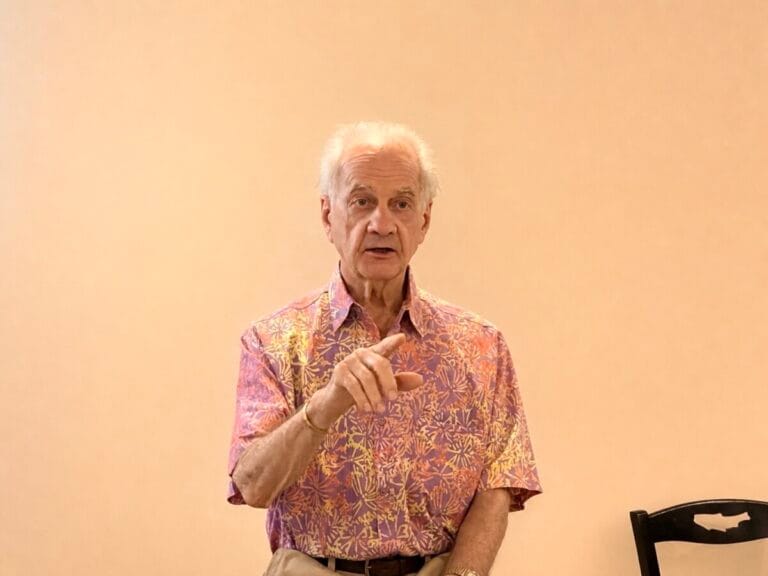
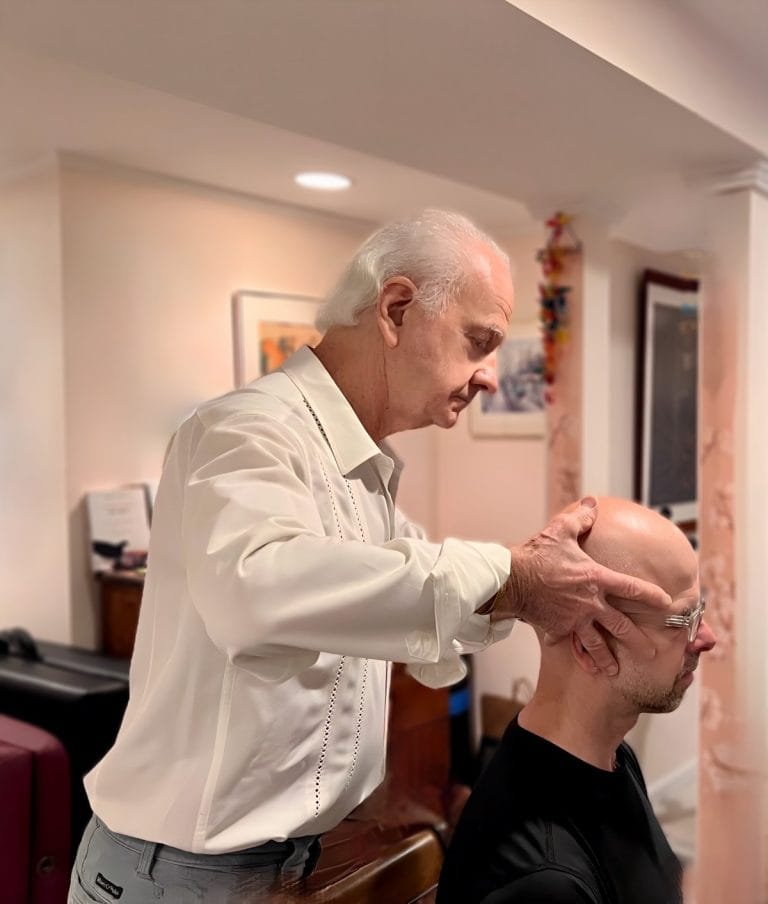
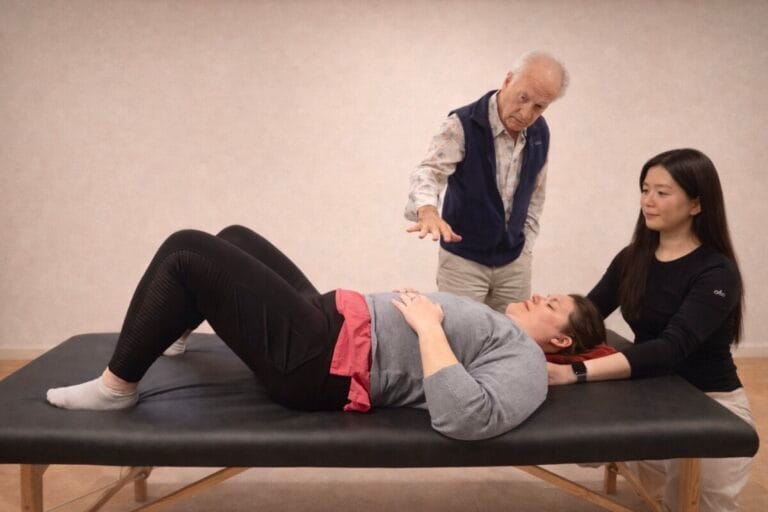
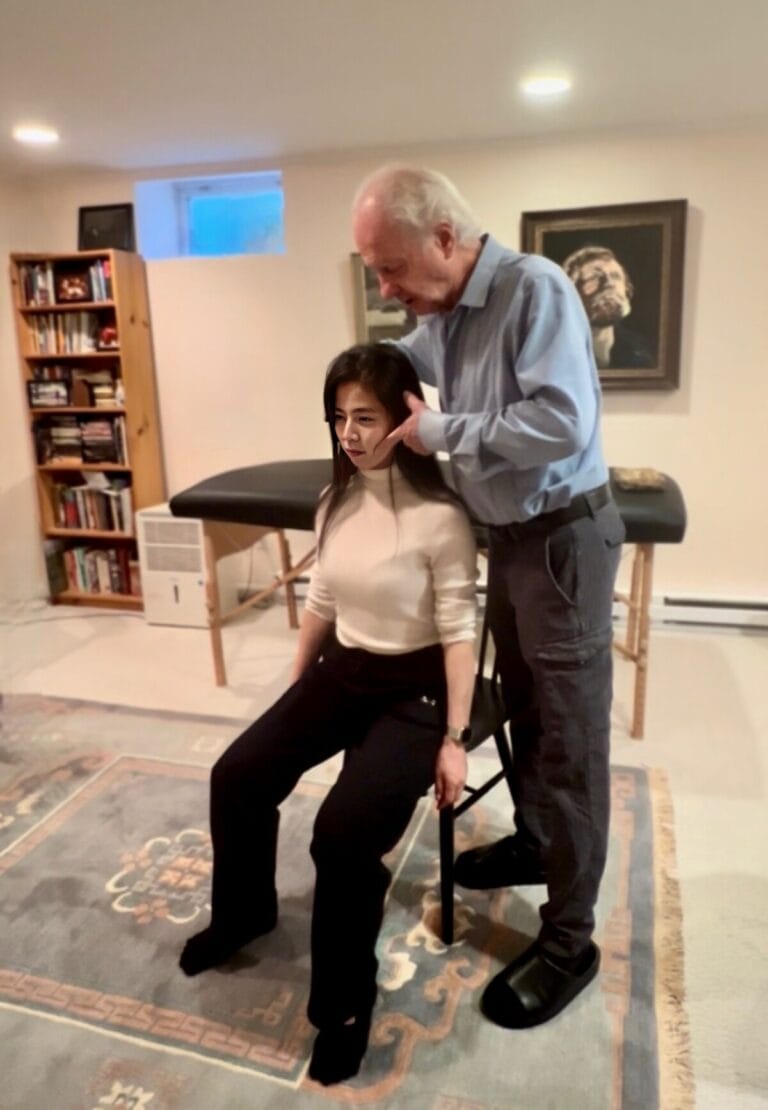
On October 9, 2025, in Boston, Massachusetts, USA, Tommy Thompson led a class in the Alexander Technique teacher training course where he revealed how a student’s Personal Narrative weaves itself into their physical use. Instead of adjusting posture at the surface, he guided students at the deeper intersection where story becomes behavior, where the feet meet the earth beneath the floor, and where new coordination begins from the Primary Movement outward.
Key Objectives of the Class:
- To help students observe physical use and Personal Narrative as a single, intertwined pattern expressed through real activity.
- To reorganize the head–neck–back relationship while loosening the identity-driven habits that distort coordination.
- To refine hands-on guidance so it addresses both bodily use and the underlying narrative shaping the student’s movement.
This blog series is based on Tommy Thompson’s Alexander Technique classes. Each post follows the flow and insights of the class to expand both self-awareness and practical consciousness applicable to everyday life.
New here?
If you’re new to the Alexander Technique, you can start with the resources below.
Alexander Technique Class Flow at a Glance
1. The Opening Question
❝ What if your Personal Narrative doesn’t just influence your movement—but arrives before you do and takes over your entire use in the Alexander Technique? ❞
We think misuse begins with muscles, posture, or effort. But this class exposed something far more disarming: the identity you obey—your history, your role, the version of yourself you believe you must perform—often enters the moment first, and your coordination simply organizes around it. Before you lift, reach, breathe, or even think, the narrative has already shaped the path your head takes, how your back contracts, where your feet forget the ground. This question sits at the heart of the class: When Personal Narrative comes first, what becomes possible when you see it—and stop letting it lead?
Tommy’s Word
“You would watch his use, but you would also see the personal narrative coming into the use. So we just watch and see how everything flows.”
Tommy isn’t merely observing posture; he is tracking the precise moment where narrative turns into behavior. In his teaching, “use” is never separate from identity—the organism, history, and coordination enter as one unified event. His instruction reflects a central Alexander perspective: change doesn’t happen by fixing muscles but by revealing the story steering them. When he says “watch and see how everything flows,” he invites us into a broader field of awareness where movement, meaning, and narrative are inseparable—and where true reorganization can begin.
2. Core Learnings from This Class
Core Concepts
- Personal Narrative enters before movement.
In this class, Tommy shows that a student’s behavior begins long before muscles activate—their identity, self-image, and familiar roles arrive first, and the body simply organizes around that narrative. - Use and narrative operate as one pattern.
He emphasizes that what shows up in the head–neck–back relationship is never separate from the student’s story; use + narrative always appear as a single fused pattern within the activity. - Activity-based hands-on reveals the real pattern.
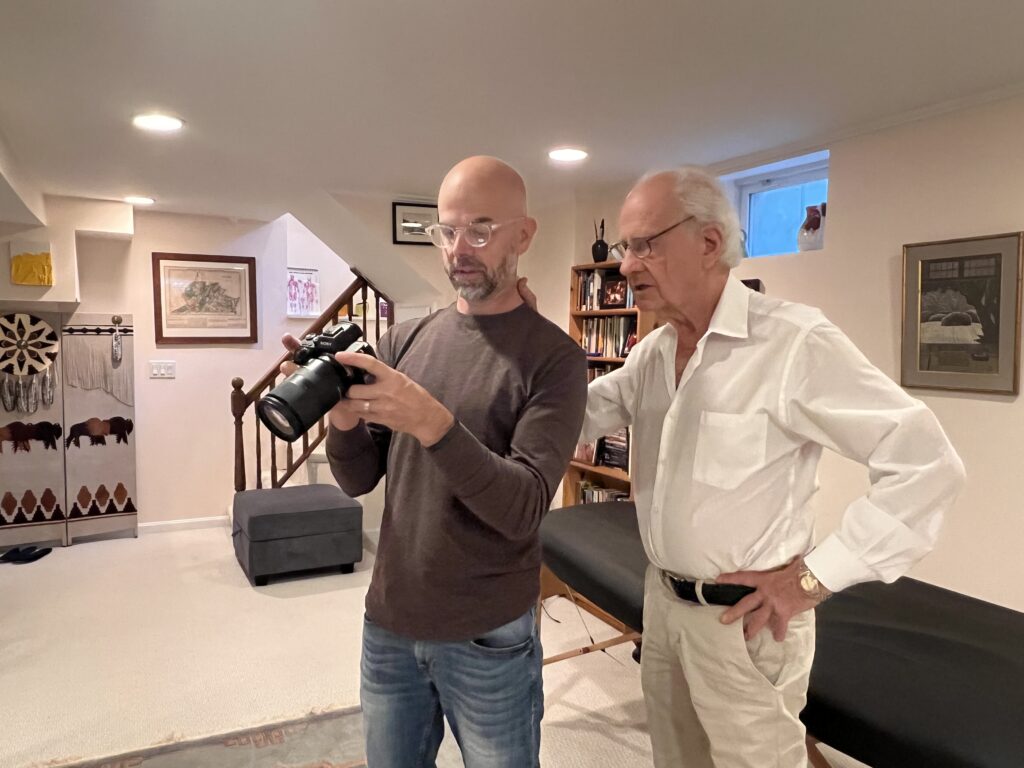
Touch becomes meaningful only when given inside the action—lifting a kettlebell, taking a photo, standing through the feet—where both coordination and narrative are actively expressing themselves. - Grounding through the feet reorganizes upward.
Directing attention into the soles of the feet and into the earth beneath the floor allows the whole system to redistribute effort, interrupt the narrative-driven collapse, and restore support. - Primary Movement begins with the head leading.
By changing the relationship of the head—letting it move away from the body, forward and up—the entire coordination shifts: knees release forward, hips move back, and the organism reorganizes as one.
Five Key Messages
- Habit is the body obeying an old story.
Movement reflects the narrative the student has not yet questioned. - Change begins when the narrative becomes visible.
Awareness breaks the automatic link between identity and physical response. - Hands-on in activity shows what words alone cannot.
Touch meets both the physical pattern and the meaning driving it. - Grounding makes upward freedom possible.
When the feet truly meet the floor, effort decreases and support increases. - Primary Movement emerges when the narrative stops leading.
When the story no longer initiates action, the head can lead and the whole self follows.
Essential Terms
Personal Narrative
The internal story or identity a student unconsciously brings into movement. Tommy highlights that this narrative often enters before the action and shapes use from the start.
Use of the Self
The integrated coordination of head, neck, back, attention, and intention. In Tommy’s teaching, use always includes the narrative that informs it.
Activity-Based Hands-On
Hands-on guidance applied directly within the student’s real activity—lifting, standing, taking photos—allowing the teacher to address both coordination and narrative simultaneously.
Grounding Through the Feet
Directing awareness into the feet and the earth beneath the floor so the body can reorganize upward, reducing unnecessary effort and restoring support.
Primary Movement
The fundamental reorganization that begins when the head moves away from the body—forward and up—redirecting the knees, hips, and the entire structure. Tommy uses this to shift the whole pattern from the origin point.
3. Tommy’s Insights
In Tommy’s words during class, there are not only the core principles of the Alexander Technique, but also practical wisdom that can be applied directly to daily life. His words go beyond simple advice about movement and prompt us to deeply consider how we choose to exist.“You would watch his use, but you would also see the personal narrative coming into the use. So we just watch and see how everything flows.”
➤ The teacher’s eye holds both the person’s coordination and the story that shapes it, allowing behavior to reveal itself without interference.
“You’re going to change all of that. You’re going to change the way the person uses themselves. But when you observed the person, their use was to get down into themselves. But the person’s personal narrative, their allegiance to how they should be, put them there. So you’ve got personal narrative and use combined, which is what you always have.”
➤ Real change begins where habit and identity collapse into each other, and the teacher gently loosens the bond between them.
“You don’t have to say, May I put my hands on your body? You can say, I’m going to make some changes in the way that you use yourself, with my hand up in here.”
➤ Touch functions as a shared field of inquiry, inviting the student into conscious collaboration rather than passive permission.
“You can make a real difference by working with a person in the activity. Watch the activity. Clarify the use associated with the pain, or whatever they’re interested in, and the personal narrative. And when you touch them, touch the personal narrative in conjunction with the use.”
➤ Transformation emerges where movement, meaning, and lived history meet within the student’s present activity.
“Wait right there. We’re going to change the relationship of your head. That will let the knees go forward, the hips go back, and the head move this way. Let the head move away from the body a little bit—let it go forward and up through the feet.”
➤ Reorganizing the head–neck relationship redistributes effort through the whole organism, allowing gravity and ground support to cooperate.
“With most people, the weight is the central focus. Lifting is essential for them—and that’s with people who are really muscle-bound and everything else.”
➤ Habit narrows attention to the object being lifted, while skilled use restores awareness of the self doing the action.
“Think of standing through your feet. Feel the floor with your feet. Feel beneath the floor. Most people are focusing on the muscles in the back of the shoulders, but don’t forget that you need the feet grounding. Feet touching the earth beneath the floor.”
➤ When orientation deepens through the feet, the whole organism can organize upward freedom without unnecessary muscular effort.
4. Practical Tips for Everyday Life
What’s the Goal?
To notice the moment when your Personal Narrative enters before movement begins. Instead of trying harder or correcting tension, the aim is to begin from the feet, allow Primary Movement to lead, and let the action unfold without the story taking over.
How to Practice
1. Before lifting anything (bag, pot, kettlebell)
Pause before reaching. Notice the impulse to perform or hurry.
Drop attention into your feet—feel the floor, then beneath it.
Let your head move away from your body, and begin the movement from there.
2. Getting up from a chair or bed
Sense the role that wants to rush or push. Don’t follow it.
Find your feet. Let the head lead upward; let the body follow.
3. Everyday tasks (dishes, typing, cooking)
Catch the moment your shoulders tighten with identity.
Return attention to the soles of your feet.
Let the head release forward and up as you continue the task.
What You’ll Notice
Movement becomes quieter and less effortful.
You begin to feel how often your story—not your body—initiates action.
As attention returns to the feet and Primary Movement, old roles lose authority, and activity feels more continuous and grounded. These shifts naturally extend into daily life, supporting a steadier, more spacious sense of wellness.
5. Closing the Class
Key Takeaways
- Personal Narrative often initiates the moment before you do, shaping coordination from the inside out.
- Use of the Self is never separate from identity. The story you obey and the way your head–neck–back organize are one event.
- Attention returning to the feet interrupts narrative-driven collapse and restores whole-body support.
- Primary Movement begins with the head leading, allowing the rest of the self to follow with less effort.
Core Insights
- You cannot reorganize movement without seeing the story that is moving you.
- Freedom appears when the moment begins from ground support, not from identity.
- When the head—not the narrative—initiates action, the whole pattern changes.
A Final Invitation
Before entering any activity—lifting, standing, turning, reaching—pause for a brief moment.
Notice what wants to come in first: the role you’ve practiced, the pressure to perform, the familiar contraction.
Let your feet meet the floor.
Let your head move away from your body.
Begin from Primary Movement, and watch how the entire moment rearranges when the story no longer leads.
6. One Key Practice
Pause before the moment begins
Before you lift, stand, turn, or reach, stop just long enough to sense what wants to lead—the role, the habit, the familiar story. Let your feet meet the floor, let your head move away from your body, and begin from Primary Movement. Even a few seconds is enough to interrupt the narrative and let a new coordination appear.
7. Three Questions to Ask Yourself
- What is leading this moment—my movement, or my narrative?
Sense whether the first impulse comes from coordination or from the role you usually step into. - Can I feel my feet meeting the floor—and am I beginning from there?
Let attention drop into the soles; notice if support arrives before the old story does. - Is my head moving away from my body, or has the narrative already taken the lead?
Detect whether Primary Movement has begun, or whether identity has stepped in first.
8. For Those Who Wish to Learn More
Recommended Book
Touching Presence – Tommy Thompson
This book extends the very themes explored in this class: how a person’s story, identity, and Personal Narrative enter the moment, and how touch can meet that narrative inside real activity. Tommy writes about presence, withholding definition, and working with the whole organism rather than trying to fix parts. If you want to go deeper into how hands-on work, Primary Movement, and awareness come together to reorganize use from the inside out, this is a natural companion to what unfolded in this class.
9. Next Class Sneak Peek
The hand opens the doorway—but it is only the beginning.
The next class moves from the anatomy of the palm into the deeper territory of how touch shapes perception, safety, and the way the whole organism decides to soften or brace.
We’ll explore what happens when the hand is not just touching, but listening—how presence travels through contact and reorganizes the person you’re meeting.
In the next class, we’ll explore:
how the hand becomes a bridge between your intention, your nervous system, and the living response of another human being.
10. Join the Alexander Technique Journey
Did this class leave a small resonance within you? Feel free to quietly hold it in your heart or share it in just a sentence or two. The comments are always open. Your one simple word may leave a gentle ripple in this ongoing journey.The journey of Resonance Flow continues across social media as well. Let’s continue this journey together.
 YouTube
 Instagram
 Threads
 Facebook