Inhibition in Movement: The One Choice That Changes Everything | Tommy Thompson Class 21
❝ Why is the movement you don’t make often the most important one? ❞
We often think movement is about doing more—stretching deeper, standing taller, moving faster. But what if the most powerful change begins not by doing something, but by pausing? What if inhibition in movement is the beginning of real freedom?
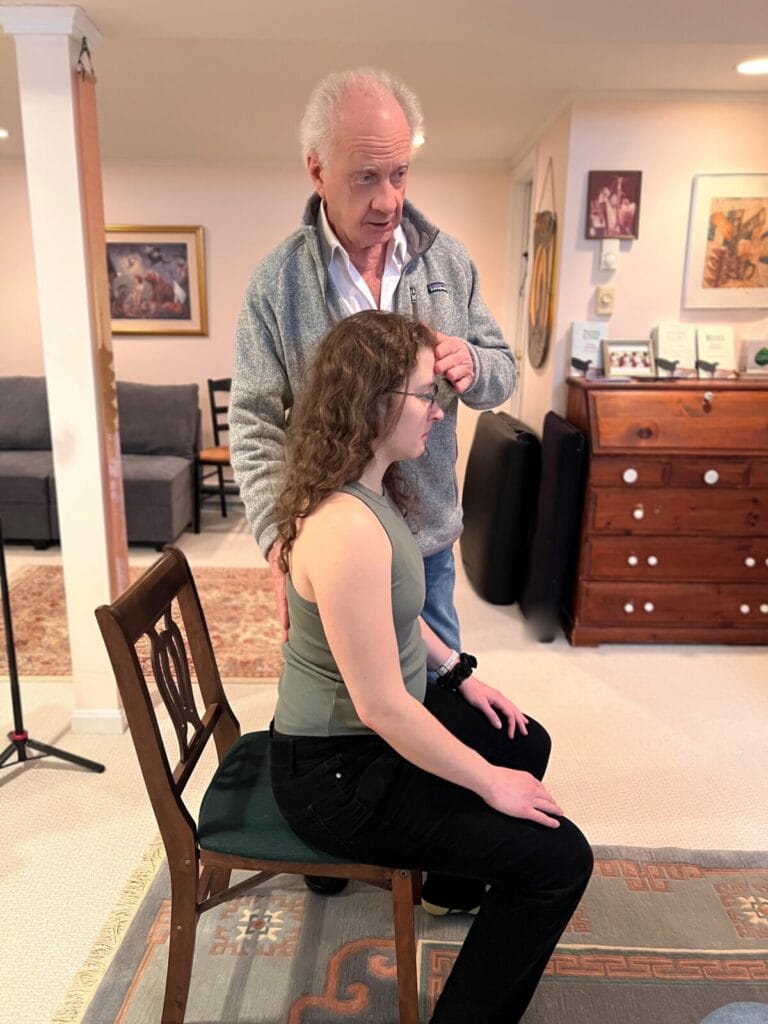
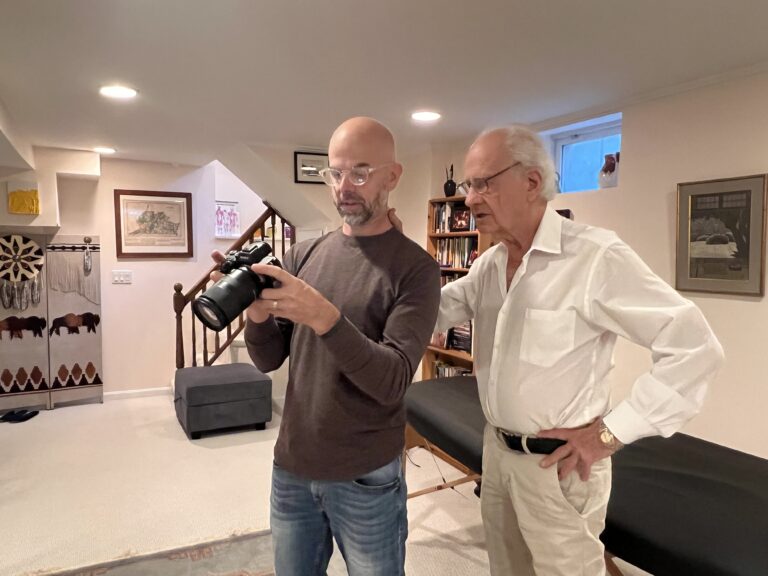
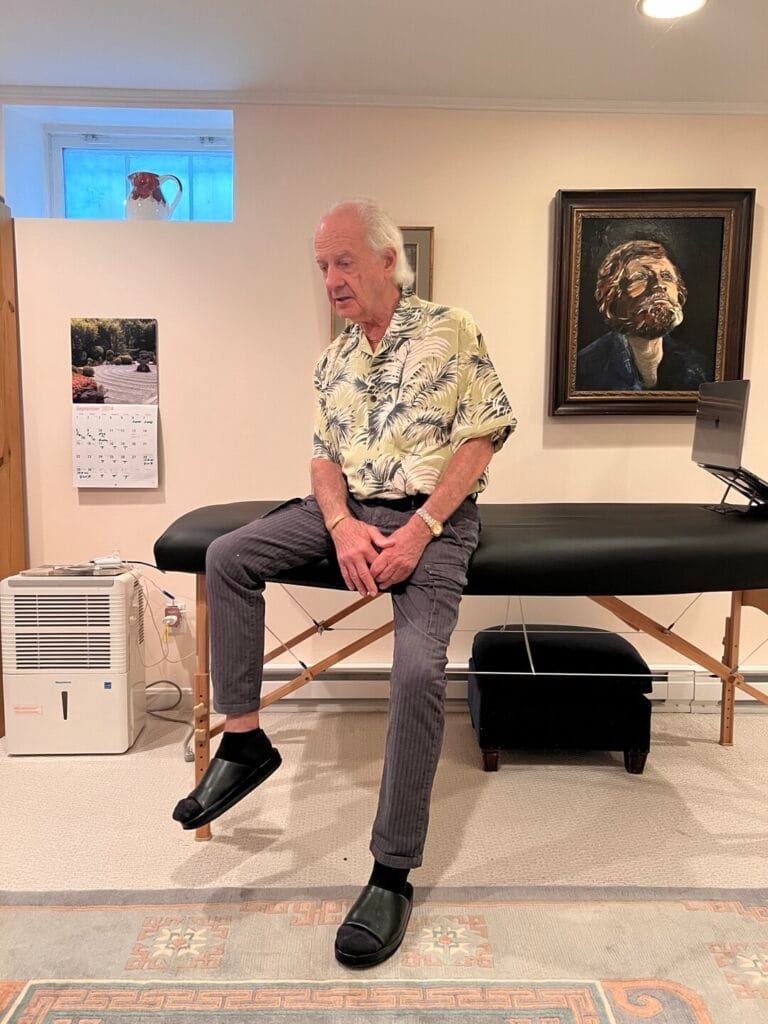
On October 31, 2024, in Boston, Massachusetts, USA, Tommy Thompson led a class in the Alexander Technique teacher training course that centered around one transformative idea: how inhibition in movement becomes the gateway to presence, ease, and true efficiency. It was a day where silence became a tool, stillness became a statement, and doing less revealed far more.
This class wasn’t about adding. It was about subtracting the unnecessary so the natural could emerge.
Key Objectives of the Class:
- To explore how inhibition in movement supports presence and self-regulation
- To recognize and reduce habitual tension in movement
- To experience how awareness precedes efficiency, not effort
Tommy didn’t just lecture. He embodied these principles, challenging every trainee in the room to notice not what they could do—but what they could let go of.
This blog series is based on Tommy Thompson’s Alexander Technique classes. Each post follows the flow and insights of the class to expand both self-awareness and practical consciousness applicable to everyday life.
New here?
If you’re new to the Alexander Technique, you can start with the resources below.
Alexander Technique Class Flow at a Glance
1. The Opening Question
❝ When was the last time you chose not to move? ❞
We act without thinking. We react without space. But in this Alexander Technique class, inhibition in movement became a doorway—to awareness, control, and quiet strength. Not moving isn’t inaction. It’s intelligent restraint. It’s a return to yourself.
Tommy’s Word
“The most important movement isn’t the one you make—it’s the one you choose not to make.”
This wasn’t just a quote. It was the heartbeat of the class.
In Tommy Thompson’s class, trainees didn’t just learn to pause. They learned to value it. Through the lens of the Alexander Technique, inhibition in movement became more than a tool—it became a mindset. Instead of correcting posture or controlling movement, we were invited to interrupt habit, to reclaim agency, and to feel the quiet power of choice.
When a trainee held still in the face of impulse, Tommy didn’t rush to correct. He simply stayed with them, until their body showed them a different way. That stillness wasn’t empty. It was full of potential. This is what presence looks like: not a posture to hold, but a possibility to trust.
2. Core Learnings from This Class
Core Concepts
- Inhibition precedes coordination
Before the body can move efficiently, it must first interrupt its habitual reactions. That pause creates space for conscious choice. - Presence is not performance
Being in your body is not about achieving a look or holding a position. It’s about sensing and responding with honesty and ease. - Movement reflects identity
How you move mirrors how you see yourself. Shifts in movement often follow shifts in perception.
Five Key Messages
- Inhibition in movement creates the freedom to choose.
You are not a slave to your habits—you have the capacity to stop and redirect. - Less effort often leads to more effective action.
Tension is not strength. Efficiency emerges when unnecessary work is let go. - True presence can be felt without words or touch.
Your state of being impacts others—even from across the room. - Release begins with embodied safety, not just understanding.
The body remembers. Only through direct, physical experience can those patterns begin to shift. - Teaching is a state, not a script.
Your presence, not your instruction, is what shapes the learning environment.
Essential Terms
- Inhibition
The conscious decision to pause before reacting. It allows a person to interrupt automatic habits and create space for choice. This is where freedom in movement begins. - Presence
A state of full mental and physical awareness. It is not about effort, but about being fully available to the moment. - Use
In the Alexander Technique, “use” refers to how a person organizes their body and mind in activity. Improved use changes everything—from posture to perception. - Integration
Coordinating only what’s necessary while releasing what’s not. This leads to what Tommy called effortless readiness. - Constructive Rest
A core practice of the Alexander Technique where one lies in a semi-supine position to restore alignment and awareness. It helps reset the system without force. - Stimulus–Response Gap
The silent moment between a trigger and your reaction. This is where inhibition lives—and choice becomes possible.
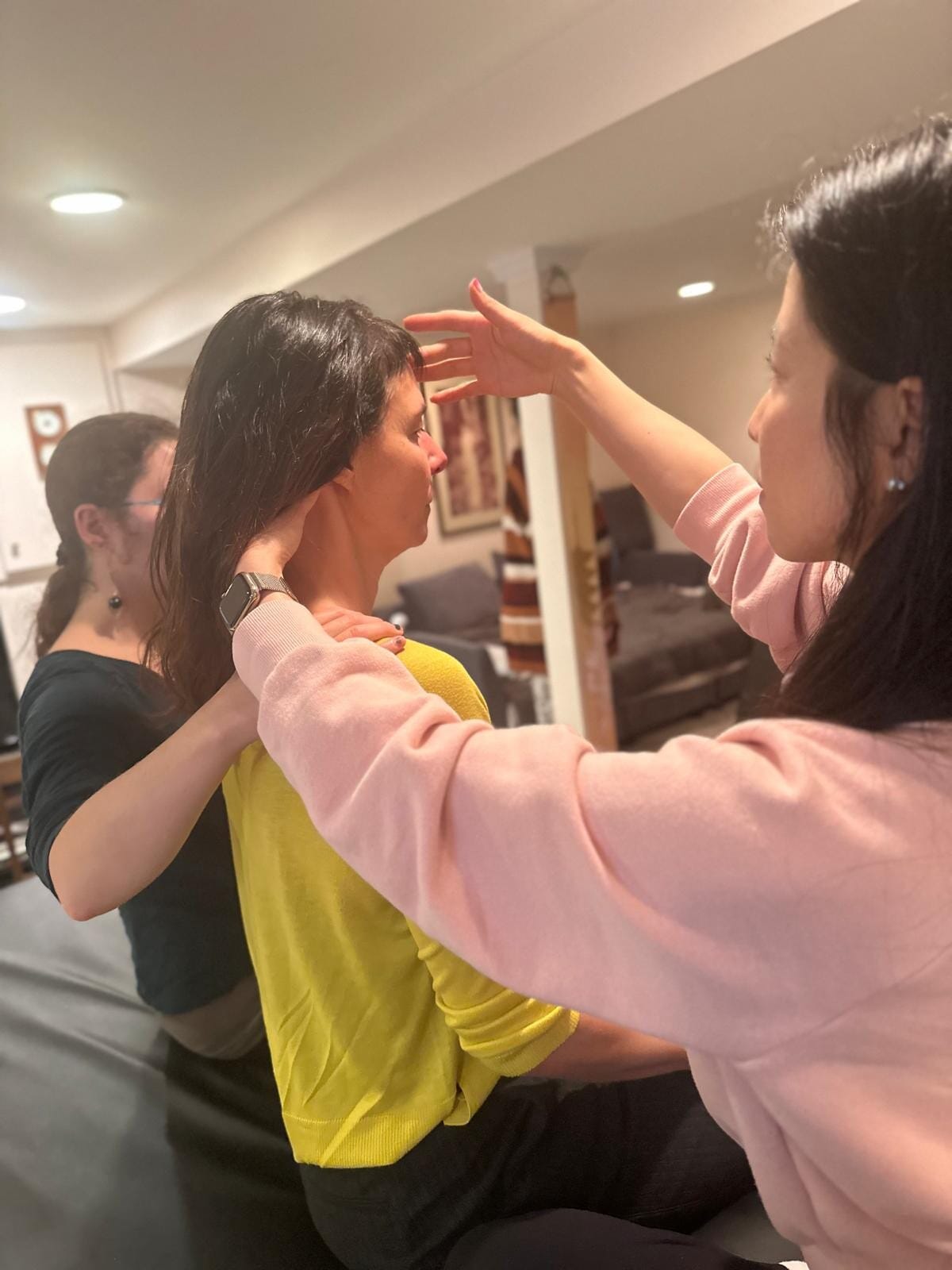
3. Tommy’s Insight
In Tommy’s words during class, there are not only the core principles of the Alexander Technique, but also practical wisdom that can be applied directly to daily life. His words go beyond simple advice about movement and prompt us to deeply consider how we choose to exist.“Real movement comes from understanding balance, not just in one direction but in all dimensions—between heaven and earth.”
→ Movement is not about applying force, but about aligning with gravity, spatial awareness, and internal equilibrium.
“The shift from doing to being transforms how we move and experience our bodies.”
→ Real movement emerges when we stop trying to control and start allowing ourselves to respond with presence.
“Effort doesn’t equal efficiency—unnecessary tension limits movement.”
→ Adding more effort often creates restriction. Releasing what isn’t needed opens the way to fluid, adaptable motion.
“The most important movement isn’t the one you make—it’s the one you choose not to make.”
→ Awareness in movement includes recognizing when an action is unnecessary, allowing for greater ease and efficiency.
“Inhibition—the ability to pause before reacting—is one of the most powerful tools in movement.”
→ This moment of conscious stillness makes it possible to shift from automatic behavior to intentional action.
“You don’t teach with words—you teach with your being.”
→ A teacher’s embodied awareness has more influence than any instruction—it sets the tone for the entire learning space.
“The work isn’t about doing something to someone—it’s about creating an environment where they can change themselves.”
→ Meaningful change happens when people feel safe enough to discover and direct their own process.
“You can’t fake presence—people feel it before you even speak.”
→ True impact begins with how you are in the room, not with what you say or do.
4. Practical Tips for Everyday Life
What’s the Goal?
To bring inhibition in movement and the principles of the Alexander Technique into the flow of your daily life—so that even the smallest action becomes a moment of awareness, not automatic repetition. The aim is not to fix how you move, but to interrupt what gets in the way of natural coordination.
How to Practice
1. Pause Before You Reach
Even before your hand moves—stop. Let your fingers hover. Feel your breath. Notice your shoulders.
→ This is inhibition. It’s not control—it’s permission. You’re giving your body a moment to choose rather than react.
2. Stand Up Differently
The next time you rise from a chair, don’t just push with effort—prepare with awareness. Let your feet sense the floor and imagine the ground supporting you. Think of your neck freeing to length, and your head moving away from your body, directing forward and up.
→ You’re not forcing movement. You’re allowing support. That shift alone changes everything.
3. Take One Constructive Rest a Day
Lie down in semi-supine. Knees up, feet flat, books under your head.
→ This isn’t “rest” as escape—it’s rest as reset. Just 10 minutes helps unravel habitual tension and restores clarity.
What You’ll Notice
- Your reactions soften, and your choices widen.
- You’ll begin to notice patterns—like bracing before speaking or holding your breath while thinking.
- Movement becomes less effortful and more expressive.
- Over time, you’re not using your body like a tool—you’re living in it like it’s home.
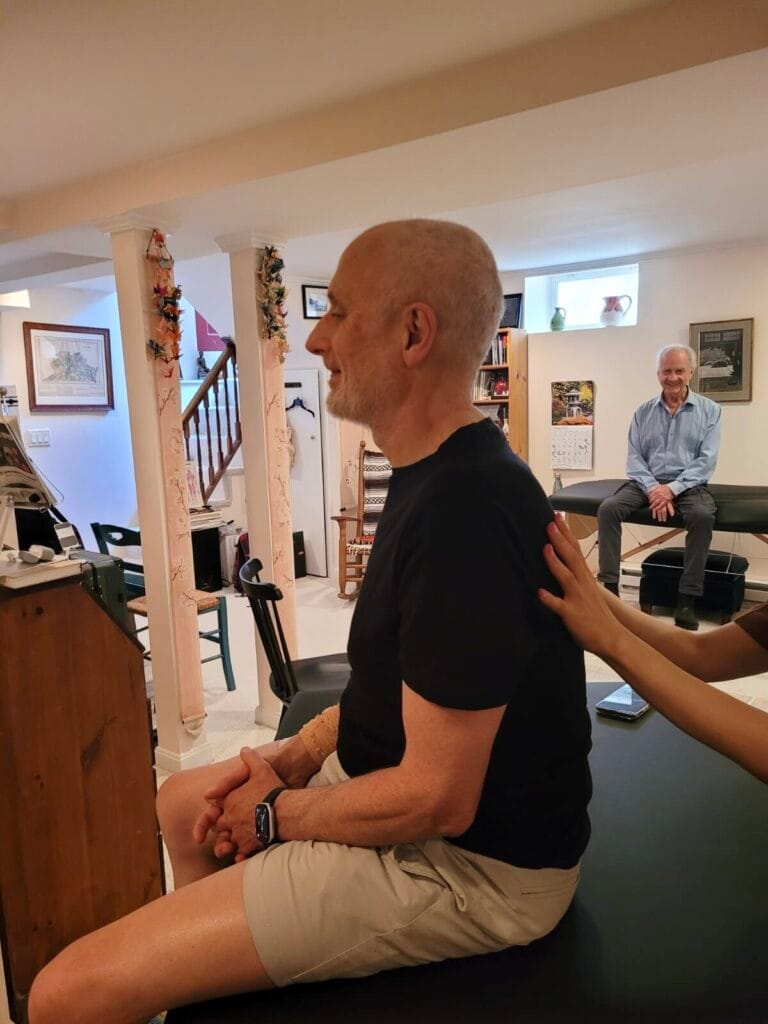
5. Closing the Class
Key Takeaways
- Movement isn’t about what you do—it’s about what you allow.
It’s not about forcing motion, but creating space for natural response to emerge. - Inhibition isn’t hesitation—it’s intelligence.
The power to pause and choose rather than react comes from conscious awareness. - Awareness is the seed of all change.
The moment you notice, you open the door to something new—within your body and beyond.
Core Insights
The work of the Alexander Technique is not about posture or performance—it’s about choice. The choice to notice. To pause. To respond, not react. This class reminded us: we’re not stuck in our habits. We’re just unaware of them—until we’re not. And in that pause—before movement begins—something subtle, and powerful, begins to change.
As Tommy said, “You don’t teach with words—you teach with your being.”
When we change how we use ourselves, we change how we show up in the world.A Final Invitation
Take this work into the unnoticed spaces—the way you shift in your chair, the moment before you speak, the pause before you react. That’s where presence lives. That’s where transformation begins.
6. One Key Practice
Pause. That’s it. In the next ordinary moment—reaching for your bag, standing from a chair, speaking—choose to pause.
Not to freeze, but to listen. To undo. Let your movement begin from stillness, not habit. That’s where inhibition in movement becomes a doorway to presence.
7. Three Questions to Ask Yourself
These questions aren’t meant to be answered—they’re meant to be lived. They aren’t about solving a problem, but about bringing yourself closer to the moment you’re already in. Tommy never asked you to fix anything—he asked you to notice.
Ask gently. Listen closely. Observe without commentary.
- Where in my body do I prepare—even before I move?
→ Do you clench your jaw before speaking? Tighten your thighs before standing? Inhibition begins in that tiny instant—when you see the preparation. - What would happen if I did 10% less?
→ Less force. Less urgency. Less need to “get it right.” Try it brushing your teeth. Or picking up your bag. What shifts when you back off? - Can I stay with myself as I move?
→ Not manage. Not monitor. Just stay.
As you walk, can you feel your feet—not just the floor beneath them, but yourself, walking?
8. For Those Who Wish to Learn More
Recommended Book
Body Learning – Michael J. Gelb
→ A clear and accessible introduction to the Alexander Technique, blending practical examples with the deeper principles behind the work. Gelb shows that the Technique isn’t about holding better posture—it’s about recognizing how your whole self participates in every action.
An excellent next step if you want to explore how inhibition, awareness, and choice come together in everyday life.
Official Website of Tommy Thompson
www.easeofbeing.com
This is the official website personally managed by Tommy Thompson, offering a wide range of resources and programs to deepen your understanding and practice of the Alexander Technique:
- Private session reservations and inquiries
- Workshop and seminar schedules
- Overview of international teacher training programs
- Essays and articles on the Alexander Technique
9. Next Class Sneak Peek
Every day, we move without noticing. But hidden within that movement are patterns—some fluid, some rigid—that shape how we stand, sit, walk, and live. In our next class, we’ll explore how wave-like motion is not just a concept but a felt experience, deeply connected to how we relate to gravity, space, and self.
➤ Key topics in the next class:
- What is wave-like motion, and how does it reveal itself in movement?
- How posture becomes a living response, not a fixed position.
- How inhibition creates space for natural rhythm and balance.
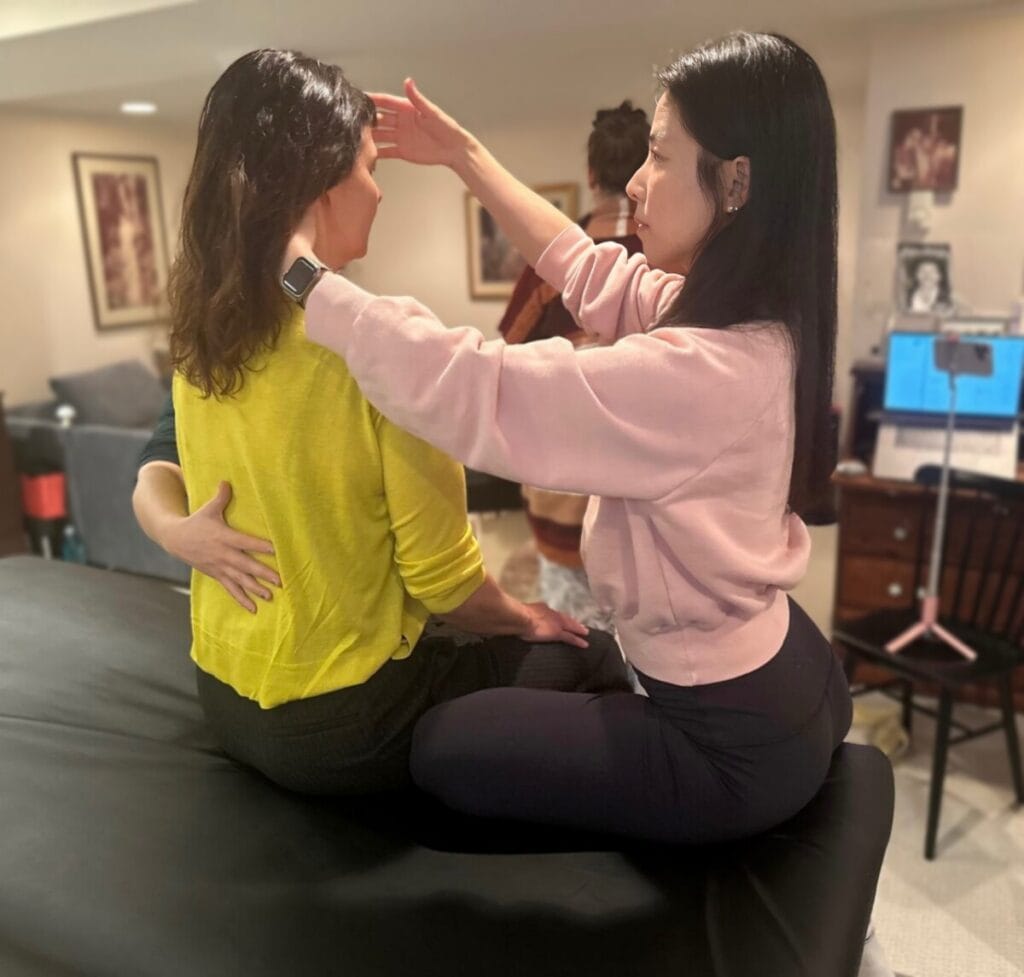
- How touch, when guided by presence, becomes a mirror—not a correction.
Through the next session, you will discover a new perspective on movement and posture and learn simple yet effective practices to improve balance in everyday life!
10. Join the Alexander Technique Journey
Did this class leave a small resonance within you? Feel free to quietly hold it in your heart or share it in just a sentence or two. The comments are always open. Your one simple word may leave a gentle ripple in this ongoing journey.The journey of Resonance Flow continues across social media as well. Let’s continue this journey together.
 YouTube
 Instagram
 Threads
 Facebook